
The Orange Effect: Reflections from the Marmalade Festival 2026, Oxford
The Marmalade Festival connects people from around the world, using global/local,[…]
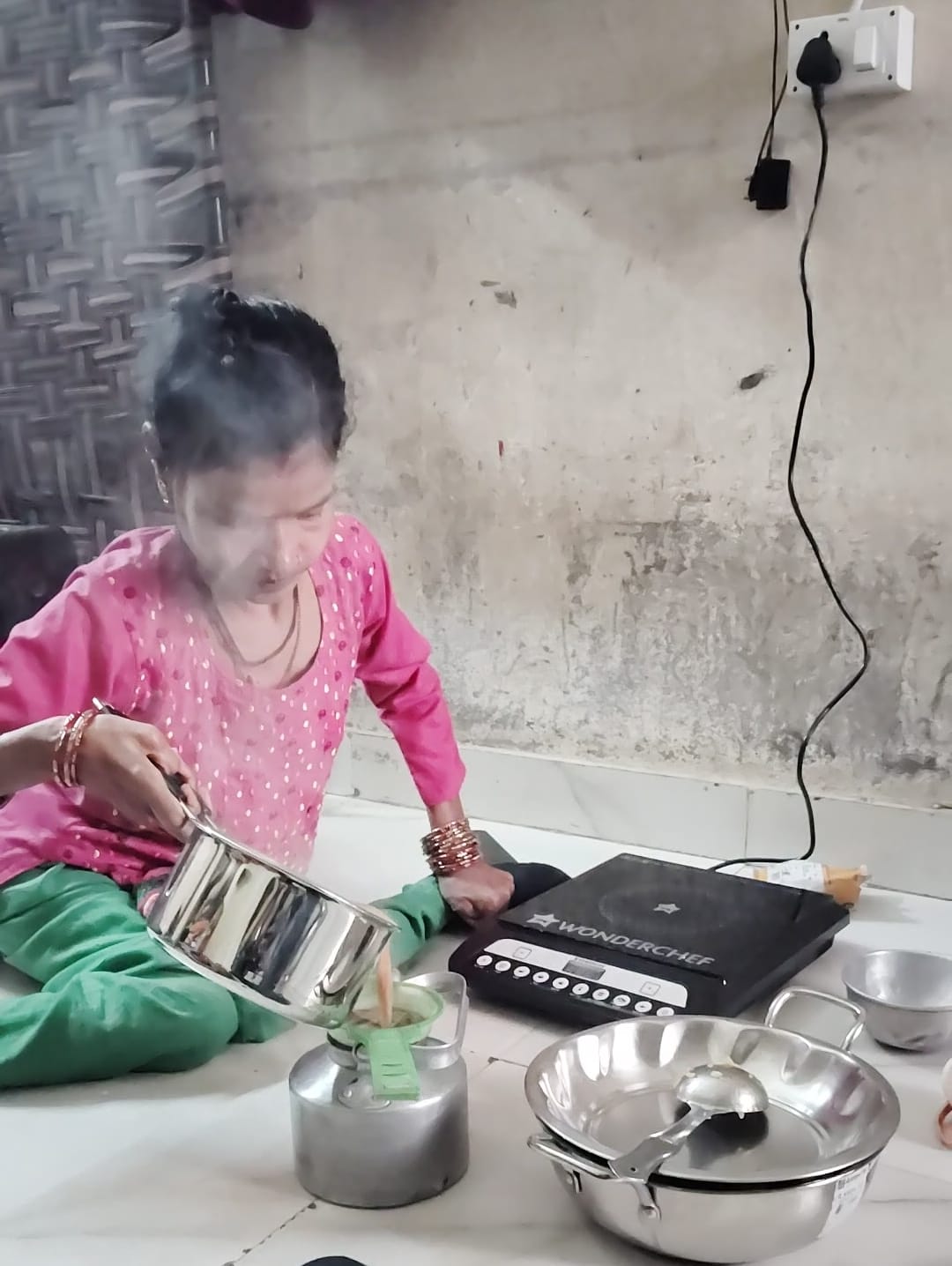
Inclusive eCooking and Disability: Rethinking Access, Agency and Energy Justice
This study reveals how eCooking for people with disabilities is fundamentally[…]
Let’s chat cooking! Developing inclusive eCooking diaries with people with disabilities and caregivers in Ahmedabad, India
As we make the transition to eCooking, this study has enabled[…]

Energy and Disability: A Tale of Unearthing a Blind Spot in Ahmedabad, India
Over the first three months of 2025, I travelled to Ahmedabad[…]
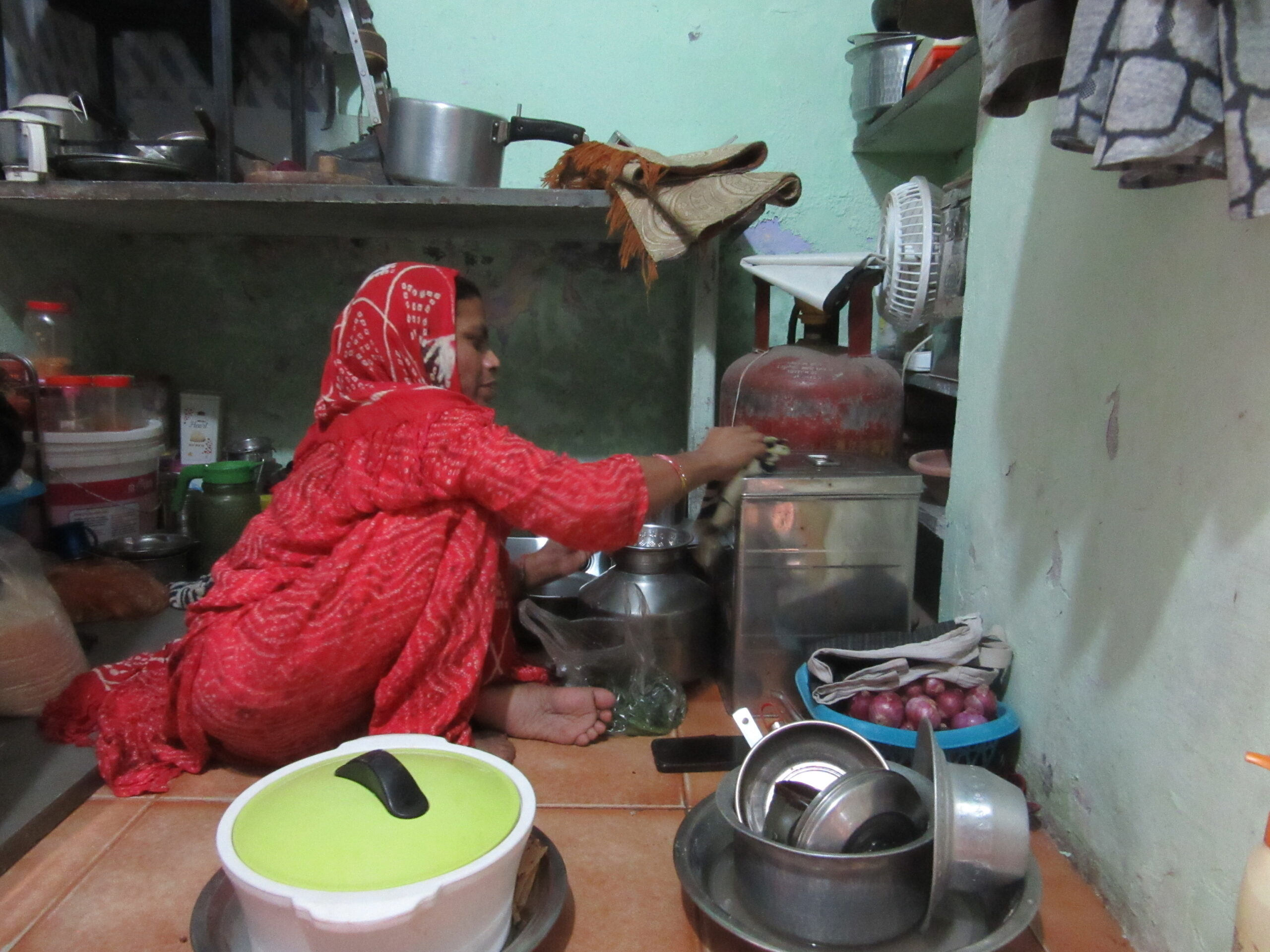
Energy, Disability, and Everyday Life in Ahmedabad
This blog was originally posted on the Modern Energy Cooking[…]

Visual Voices: Using Drawing to Understand Disability and Energy in Ahmedabad, India
Our study on access to energy for people with disabilities in[…]

Energy, Inclusion, and Everyday Life: The untold energy stories of people with disabilities through PhotoVoice in Ahmedabad
In ongoing research for the Modern Energy Cooking Services (MECS) programme,[…]

In memory of Louisa Gosling: a mentor and an inspiration
It was with profound and deep sadness that I learned of[…]

Planning water-secure and water sensitive cities: learning from the Dutch
To explore the extent to which ever-expanding cities in low- and[…]
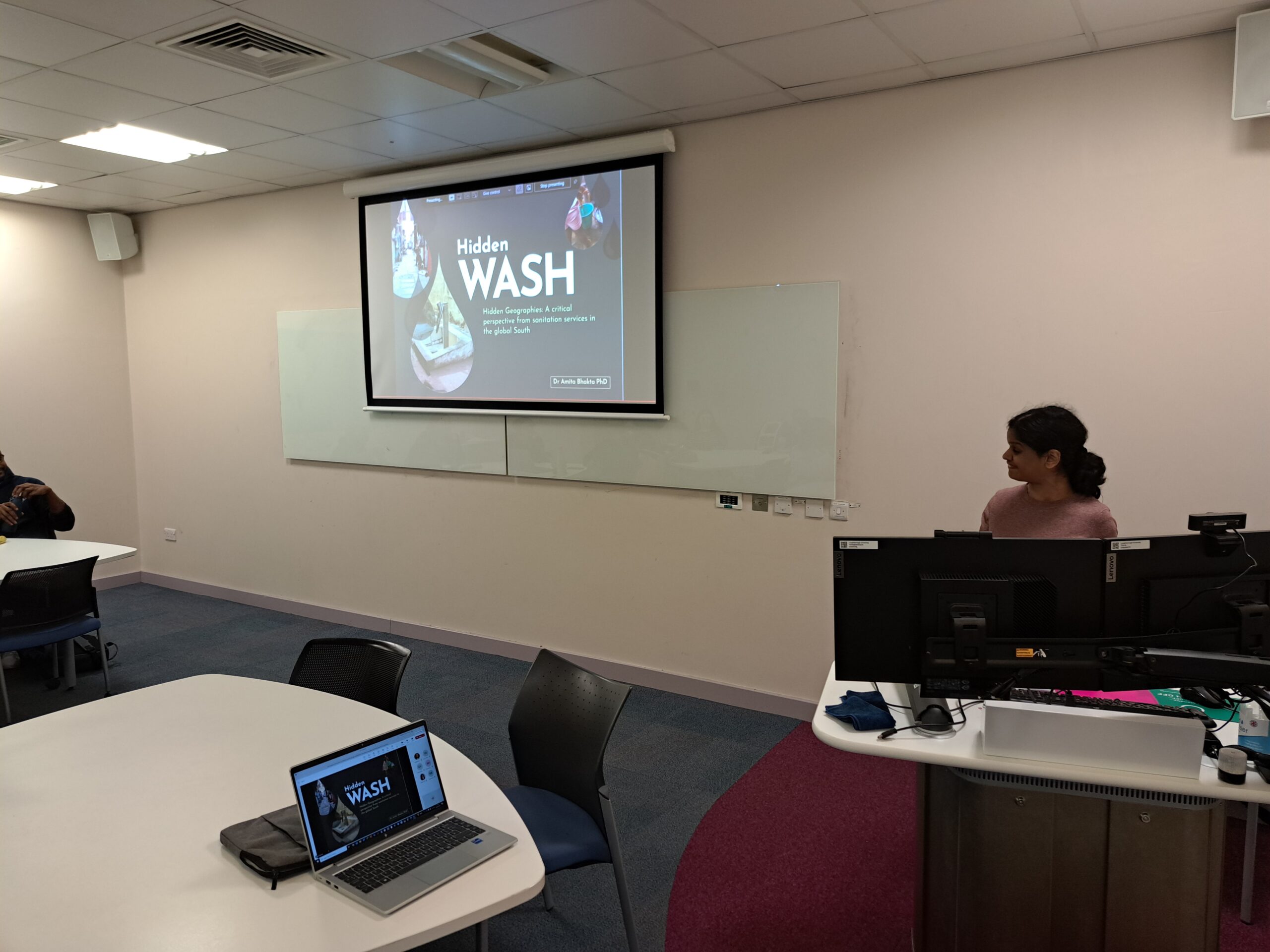
Seminar on Hidden Geographies, Loughborough University
I used the session to explore the theme of hiddenness and[…]